Winter Storm Brings Ice, Power Outages to Central NC
Winter Storm Brings Ice, Power Outages, and Travel Woes to Central NC
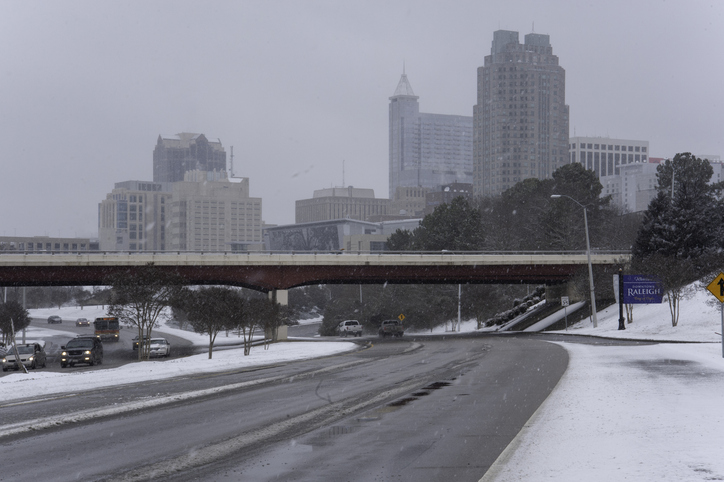
Central North Carolina, including Raleigh, Durham, Chapel Hill, and surrounding areas, is grappling with the aftermath of a significant winter storm that brought freezing rain, sleet, and icy conditions over the weekend.
The storm has left roads treacherous, caused power outages, and disrupted travel across the region.
As of Monday morning, over 20,000 residents statewide remain without power, though this is an improvement from the peak of 31,000 outages. Raleigh-Durham International Airport (RDU) has reported dozens of flight cancellations, leaving travelers stranded.
Authorities are urging residents to stay off the roads, as icy conditions persist, particularly on secondary streets and shaded areas.
Temperatures are expected to remain below freezing until midday Monday, with lows dropping into the single digits by Tuesday morning. This marks the coldest temperatures in the region since 2022. Wind chills are forecasted to make it feel even colder, adding to the challenges for residents.
To support those affected, warming shelters have been established across the Triangle.
In Wake County, Southeast Raleigh High School and Heritage High School are open to the public. Durham County has set up a shelter at Northern High School, offering meals, showers, and pet accommodations.
Additional shelters are available in Chapel Hill, Smithfield, and other nearby towns. Residents are encouraged to bring essential items, including medications, warm clothing, and hygiene supplies, when seeking shelter.
The North Carolina Department of Transportation (NCDOT) has deployed over 200 plows and spread thousands of gallons of brine to improve road conditions. However, officials warn that refreezing is likely overnight, prolonging hazardous travel conditions.
Residents are advised to monitor local weather updates and take precautions, including checking on vulnerable neighbors and using generators safely. For the latest shelter locations and road conditions, visit local government websites or call 511.
Stay safe and warm as the region works to recover from this icy blast.