Wake County Primary Election Results
Wake County Primary Election Results: Key Races and Roy Cooper’s Senate Bid
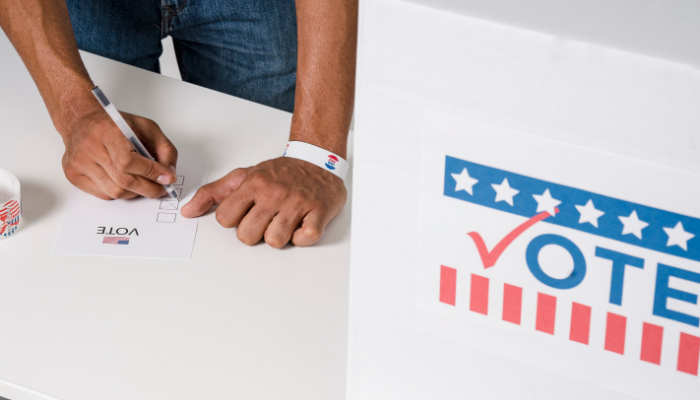
Wake County voters made their voices heard in the 2026 primary elections, deciding critical races that will shape the political landscape in November. From local contests to statewide implications, here are the highlights.
Roy Cooper Advances in Senate Race:
Former Democratic Governor Roy Cooper dominated the Democratic primary for U.S. Senate, securing 92% of the vote statewide. Cooper will face Republican Michael Whatley, who won his primary with 64.6%, in a race that could determine control of the Senate. Cooper’s campaign focuses on healthcare expansion and economic growth, while Whatley has the backing of former President Donald Trump.
District 37: A Key State House Race
In the Democratic primary for N.C. House District 37, Winn Decker emerged victorious with 50% of the vote. Decker will challenge Republican incumbent Erin Paré in November, aiming to flip one of the few Republican-held seats in Wake County. Decker’s campaign emphasizes education funding and environmental protections.
Wake County District Attorney:
Wiley Nickel secured the Democratic nomination for District Attorney with 49% of the vote, defeating Sherita Walton (30%) and Melanie Shekita (20%). Nickel’s platform promises a progressive approach to criminal justice reform, succeeding longtime DA Lorrin Freeman.
Raleigh City Council:
In the at-large race, Stormie Denise Forte led with 32.7%, followed by Sana Siddiqui at 23.6%. Both candidates will advance to the general election, where housing and transit are expected to dominate the agenda.
Judicial Races:
Christine Marie Walczyk won the Democratic primary for Court of Appeals District 3 with 62.4% of the vote. In District 1, Michael C. Byrne narrowly defeated Matt Smith with 51.5%.
Wake County Board of Commissioners:
With two new at-large seats added to the board, candidates focused on education, housing, and equitable taxation. Final results are still being tallied.
As Wake County continues to grow, these results highlight the community’s shifting priorities. The November general election will be pivotal for both local and statewide leadership.