NC Measles Cases Rise: Health Officials Urge Vaccination
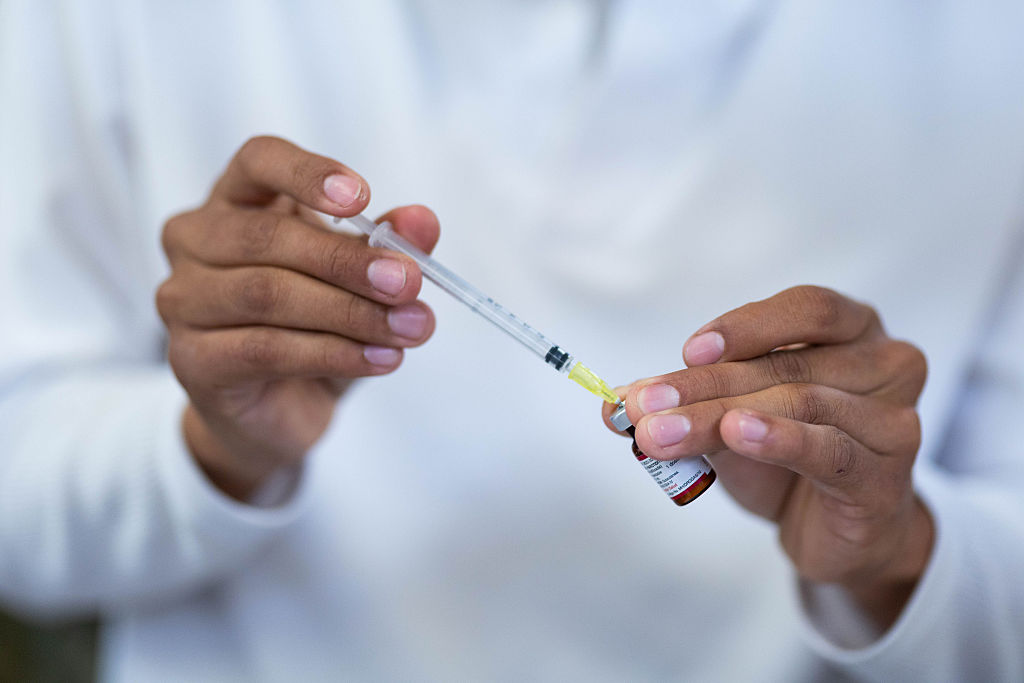
State health officials are raising alarms as measles cases continue to climb across North Carolina, prompting new guidance for families and healthcare providers.
The North Carolina Department of Health and Human Services (NCDHHS) announced on Feb. 17 that the state has confirmed 22 cases of measles since late December 2025.
While the outbreak has primarily affected the Charlotte metropolitan area and Buncombe County, officials warn that the virus may be spreading locally in ways not linked to travel, increasing the risk for communities across the state, including the Triangle.
“The rise in measles cases is concerning, especially since most infections are affecting unvaccinated children,” said Dr. Zack Moore, NCDHHS State Epidemiologist. “Measles is highly contagious, but it is also preventable.”
Health officials are strongly encouraging parents to speak with their doctors about early vaccination options. For families living in or traveling to outbreak areas, providers may now recommend the measles, mumps, and rubella (MMR) vaccine for infants as young as 6 to 11 months old.
The current outbreak has largely impacted unvaccinated individuals. The virus spreads easily through the air and can linger in a room for up to two hours after an infected person leaves. Symptoms, which include high fever, cough, runny nose, and a red, blotchy rash, can appear up to 21 days after exposure.
NCDHHS has identified specific counties where early vaccination should be considered, including Mecklenburg, Union, Cabarrus, Gaston, Iredell, Lincoln, and Rowan counties, as well as Buncombe County.
Health leaders emphasize that vaccination remains the most effective tool to protect our community. The MMR vaccine is widely available at doctors’ offices, local health departments, and many retail pharmacies. Families who may have been exposed are urged to contact their local health department immediately and avoid public spaces to prevent further spread.
For more information on vaccination sites and exposure locations, residents can visit the NCDHHS website.