Michael Jordan to Testify In NASCAR Lawsuit
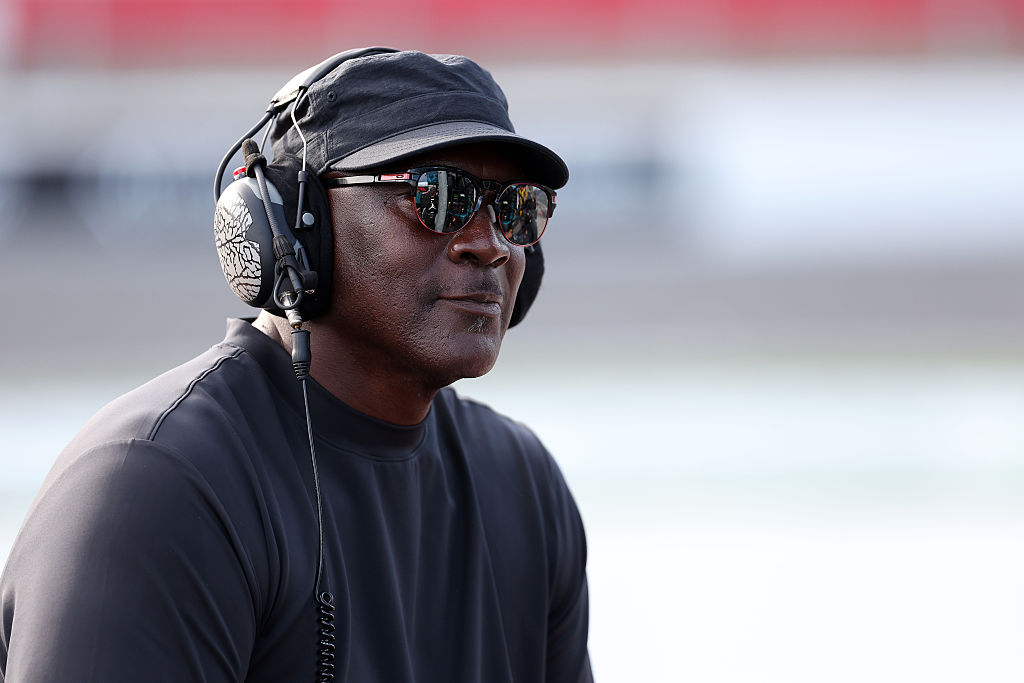
Michael Jordan is expected to take the stand Friday in the federal antitrust lawsuit his 23XI Racing team filed against NASCAR, marking a pivotal moment in an explosive legal battle with wide-reaching implications.
The Basketball Hall of Famer and co-owner of 23XI Racing, alongside three-time Daytona 500 winner Denny Hamlin, is a central figure in the case. The lawsuit alleges that NASCAR created a monopoly that hurts team owners. 23XI Racing and Front Row Motorsports were the only two of 15 teams to refuse to sign a new charter agreement in September 2024, opting instead to sue.
Jordan, who owns 23XI with Hamlin, received a rare exemption to remain in the Charlotte courtroom throughout the proceedings, serving as his team’s corporate representative. The NBA icon’s presence had an immediate impact—two potential jurors were reportedly dismissed due to their admiration for Jordan, as they appeared visibly excited just walking past him on the first day of trial.
At the core of the dispute is NASCAR’s charter system, which functions like a franchise model. It guarantees a spot for each chartered car in all 38 races and provides a set revenue payout. Teams have pushed for these charters to become permanent to ensure long-term financial stability and asset value. However, NASCAR has refused, offering only a seven-year extension.
The plaintiff teams argue that the current financial model is unsustainable, with testimony revealing it costs roughly $20 million to operate a single car for a season, while the new charter deal only guarantees $12.5 million in revenue. NASCAR, for its part, claims it has not violated antitrust law, arguing its practices are standard for the industry.
The trial has already featured emotional testimony from Hamlin and exposed internal frustrations among NASCAR executives over negotiations with NASCAR Chairman Jim France. Jordan’s testimony is anticipated to highlight the immense challenges for new team owners building value under the current system. The outcome could fundamentally reshape the financial structure and power balance of professional stock car racing.